How Wedding Venues Can Streamline Planning With One Centralized Platform

Wedding venues are responsible for delivering a smooth and well-organized planning experience. Behind the scenes, that process is not always as streamlined as it appears.
Many venues still manage weddings using a combination of emails, spreadsheets, PDFs, and various tools that were never designed to work together. This approach can feel manageable at first, especially when handling one or two events.
As volume increases, though, it becomes harder to keep everything aligned. Details start to live in different places, communication takes more time, and staff often find themselves tracking down information instead of moving planning forward.
The challenge is not a lack of effort. It is the way the process is structured.
A centralized platform offers a more connected and reliable way for venues to manage wedding planning from start to finish.
Wedding Planning Has Become More Complex
Weddings today are not simple, one-day events. They are extended planning processes that involve months of coordination, multiple vendors, and constant updates.
That level of complexity puts pressure on venue operations. Every decision, update, and guest detail needs to be tracked and communicated accurately over time. When that process is managed across disconnected tools, it becomes harder to maintain consistency and control.
The Problem With the Traditional Workflow
Most wedding venues rely on a system that was never intentionally designed. It usually includes email for communication, spreadsheets for guest tracking, and documents for planning details.
While each tool serves a purpose, they do not work together. This creates a fragmented workflow where information is constantly moving but rarely centralized.
Over time, this leads to a few consistent challenges:
- Planning details are spread across multiple systems
- Staff spend hours following up on missing information
- Couples are unsure where to find or submit key details
Even highly organized teams struggle because the system itself creates friction.
If you want a deeper breakdown of why this happens, you can reference What Is Wedding Venue Software? (And Why Generic Event Tools Don’t Work), which explains how these workflows break down at scale.
What a Centralized Platform Changes
A centralized wedding venue platform brings the entire planning process into one system. Instead of juggling multiple tools, venues and couples work inside a shared environment where every detail is connected.
This includes guest lists, RSVPs, seating charts, planning questions, deadlines, and communication. As updates are made, they are reflected in real time across the system, so both the venue and the couple are always working from the latest information.
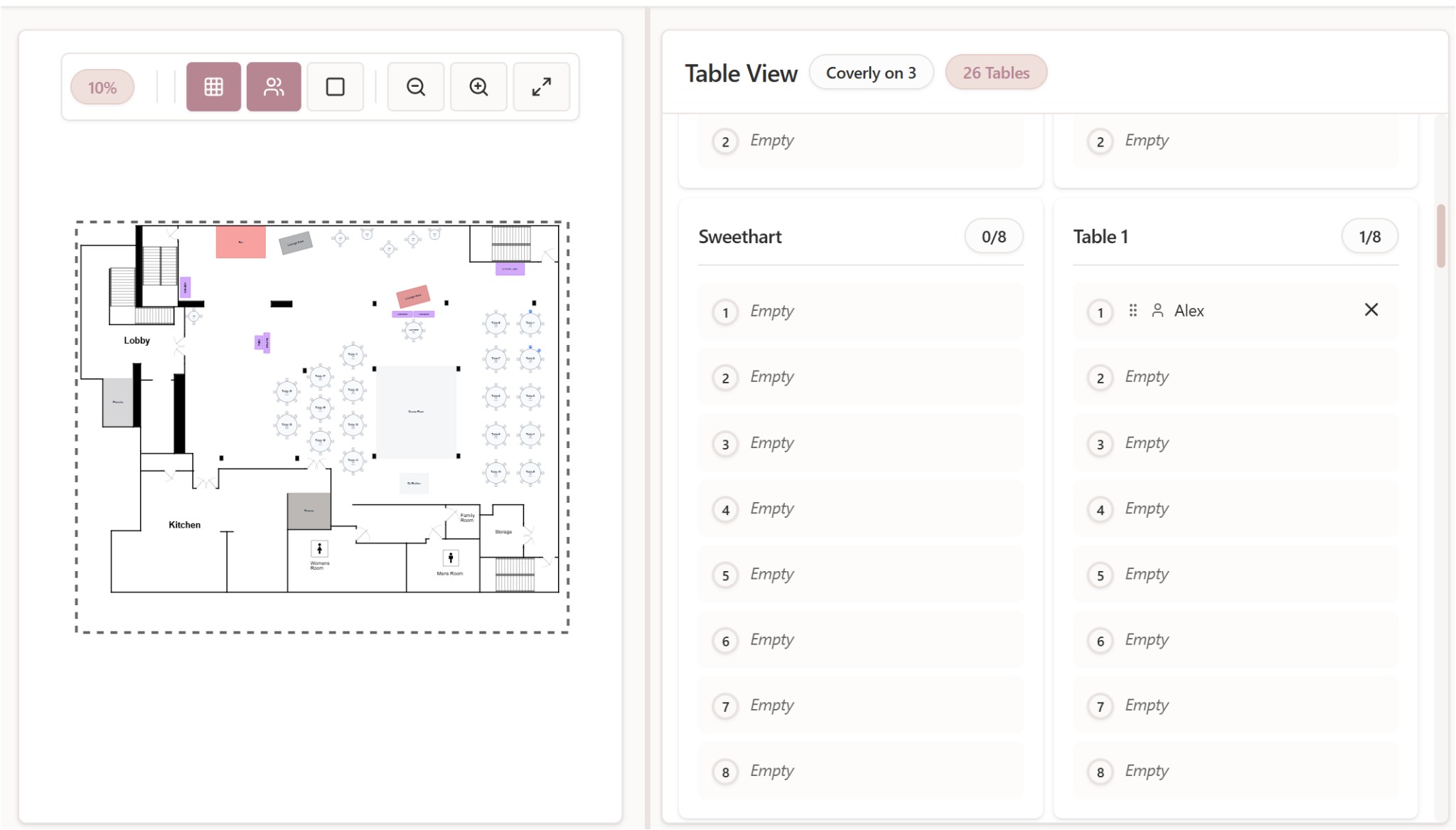
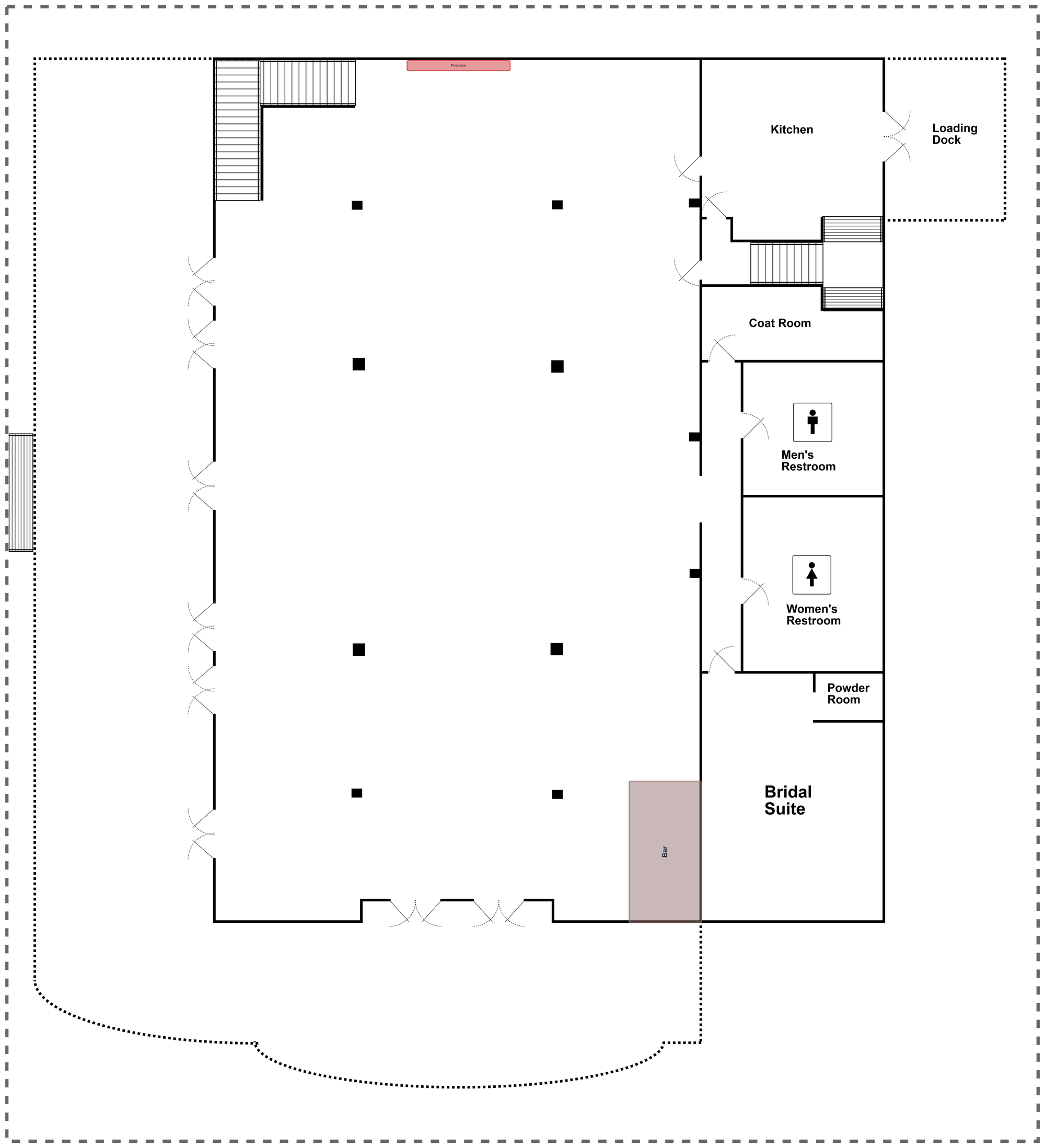
It also introduces something many venues do not currently have, which is a true visual understanding of their space. With digitized floor plans, venues can represent their layout inside the system, allowing both staff and couples to see how the event will actually take shape.
That creates a single source of truth, not just for data, but for the physical setup of the event as well.
When everything from guest lists to floor layouts is connected, planning becomes more predictable and far easier to manage.
Before and After: A Clear Shift in Workflow
Before centralization, planning tends to be reactive. Staff search for information across emails and files, confirm details manually, and follow up repeatedly to keep things moving. Seating charts are often built separately from guest lists, and floor layouts are either static documents or handled offline.
After centralization, planning becomes structured. Couples complete tasks inside a guided system, and their responses automatically update the venue’s dashboard. Guest data flows directly into seating charts, and seating charts are built directly on top of the venue’s floor plan.
Instead of piecing together documents and diagrams, the venue can see a live version of the event layout that reflects real guest data.
The difference is not just efficiency. It changes how the entire operation runs, from how decisions are collected to how the final event is visualized and executed.
How Centralization Simplifies Every Step
A centralized platform improves planning by connecting processes that were previously handled separately.
Guest management becomes more reliable because RSVPs flow directly into the guest list. There is no need to manually maintain spreadsheets or reconcile different versions of the same data.
Seating charts become significantly more intuitive when combined with digitized floor plans. Instead of building layouts in isolation, couples can design their seating chart directly within the venue’s actual space. Tables, sections, and key elements like dance floors or stages can be mapped out visually, and guests can be assigned to seats using simple drag-and-drop interactions.
As guest lists change, the seating chart updates alongside it. This makes it much easier to adjust layouts without starting over or risking inconsistencies.
Planning decisions also become more structured. Venues can define exactly what information they need and collect it in a consistent format, which reduces back-and-forth communication and ensures nothing is missed.
Communication improves because it is tied directly to the event rather than scattered across inboxes. Everyone involved can see the latest updates, questions, and responses in one place.
At a high level, centralization reduces friction in a few key ways:
- all planning information and layouts live in one place
- updates are reflected instantly across guest data and seating
- venues and couples follow a shared, clearly defined workflow
The Impact on Venue Operations
For wedding venues, the benefits of centralization go beyond organization. It directly impacts how efficiently the business runs and how much revenue each event can generate.
Time savings is the most immediate improvement. When follow-ups, data entry, and manual tracking are reduced, teams gain back hours each week. Tasks like updating guest lists or revising seating charts no longer require starting from scratch or cross-checking multiple files.
That time can be redirected toward higher-value work. For some venues, that means focusing on new bookings and tours. For others, it means improving the client experience, strengthening vendor relationships, or refining their offerings. Instead of reacting to planning gaps, teams can spend more time growing the business.
Digitized floor plans also improve how teams prepare for event setup. Staff can visualize the full layout in advance, coordinate more effectively with vendors, and reduce the likelihood of last-minute adjustments or layout issues. This leads to smoother execution on the day of the event.
Centralization also creates new opportunities for revenue. When planning is structured, venues can present add-ons, upgrades, and options to couples in a clear and timely way. Instead of introducing these details late or through scattered communication, couples can see what is available as they move through the planning process.
This is important because couples are actively trying to improve their guest experience. According to The Knot Real Weddings Study 2026, ensuring guests have a great experience is the top priority during planning. When options such as enhanced layouts, additional services, or upgrades are presented clearly, couples are more likely to choose them because they can immediately understand the value.
Consistency is another major advantage. When every wedding follows the same structured process and uses the same floor plan templates, it becomes easier to maintain quality across events and reduce the risk of missed details.
Over time, this consistency leads to better outcomes beyond the event itself. A smoother planning experience and a well-executed wedding can result in stronger reviews, more referrals, and a better overall reputation in the market.
This is especially important for venues managing a high volume of weddings. A repeatable system not only improves operations but also supports long-term growth.
A Better Experience for Couples
Centralization also improves the planning experience for couples.
Instead of navigating multiple tools and email threads, they are guided through one platform where everything is clearly organized. They know what needs to be completed, where to do it, and when it is due.
The addition of interactive floor plans makes the experience even more intuitive. Rather than trying to imagine how a layout will look, couples can see their wedding come together visually. They can experiment with table arrangements, adjust seating, and understand how the space will feel for their guests.
This level of clarity reduces uncertainty and makes decision-making easier.
It also aligns with how modern couples prefer to plan. According to The Knot Real Weddings Study 2026, a significant portion of planning now happens digitally, with 41% taking place on mobile devices and 90% of couples creating a wedding website.
Couples are already comfortable using digital tools. A centralized, visual platform meets them where they are and provides a more seamless planning experience.
Why This Shift Is Happening Now
Wedding planning is becoming more digital and more experience-focused.
Couples are using a combination of planning platforms, social media, and even AI tools to guide their decisions. Adoption of AI in wedding planning reached 36% by the end of 2025, according to The Knot Real Weddings Study 2026.
The takeaway is not that technology replaces venues. It is that expectations are evolving. Couples want a process that feels organized, modern, and easy to follow.
Venues that continue to rely on disconnected tools risk creating a planning experience that feels outdated by comparison.
How Seated With Love Helps Wedding Venues Streamline Planning
Seated With Love is built specifically to solve this problem for wedding venues.
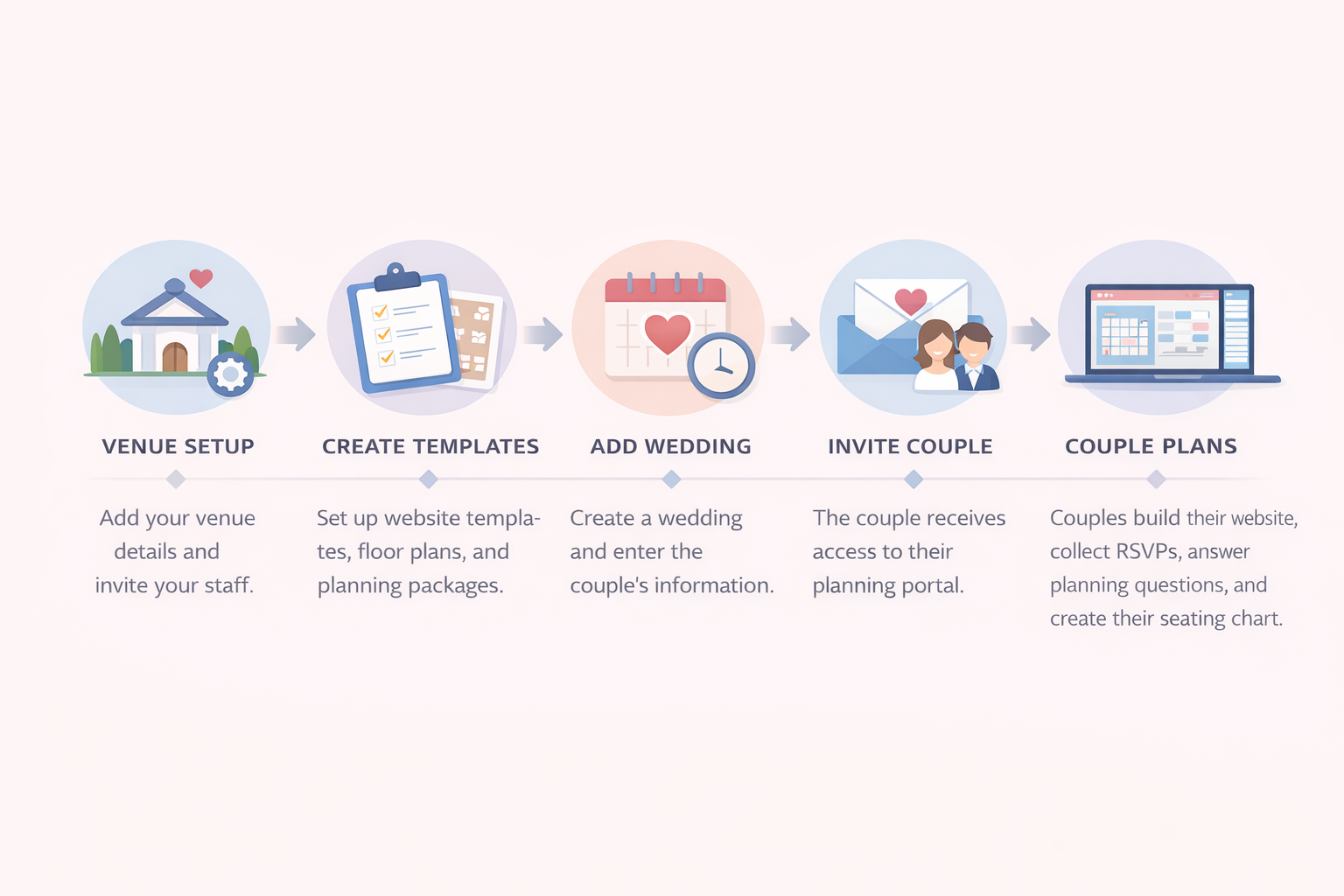
It centralizes the entire planning process into one platform, allowing venues and couples to stay aligned from start to finish. Venues can define their planning workflow once and apply it consistently across every wedding, while couples manage their details through a dedicated planning portal.
Guest data, seating charts, planning decisions, and communication all stay connected in real time. This removes the need for manual coordination and reduces the likelihood of errors.
The result is a more efficient operation for the venue and a more seamless experience for the couple.
Final Thoughts
The traditional approach to wedding planning has not kept up with the complexity of modern weddings. Managing events through emails, spreadsheets, and disconnected tools creates unnecessary friction for both venues and couples.
A centralized platform provides a more structured and reliable way to manage planning. It brings everything into one place, reduces administrative work, and improves the overall experience.
As the industry continues to evolve, centralized wedding venue software is becoming the standard for venues that want to operate more efficiently and deliver a better planning experience.
Frequently Asked Questions
What is a centralized wedding venue platform?
A centralized wedding venue platform is software that allows venues and couples to manage all aspects of wedding planning in one place, including guest lists, RSVPs, seating charts, planning decisions, and communication.
How does it improve wedding planning?
It connects all planning information into one system, ensures real-time updates, and reduces the need for manual follow-ups and data entry.
Why not just use spreadsheets and email?
Spreadsheets and email create fragmented workflows where information is stored across multiple places. A centralized platform keeps everything organized and aligned in real time.
Where can I learn more about wedding venue software?
You can read a full breakdown here: What Is Wedding Venue Software? (And Why Generic Event Tools Don’t Work)